Desk Setup for People with Allergies: Hypoallergenic Workspace Guide
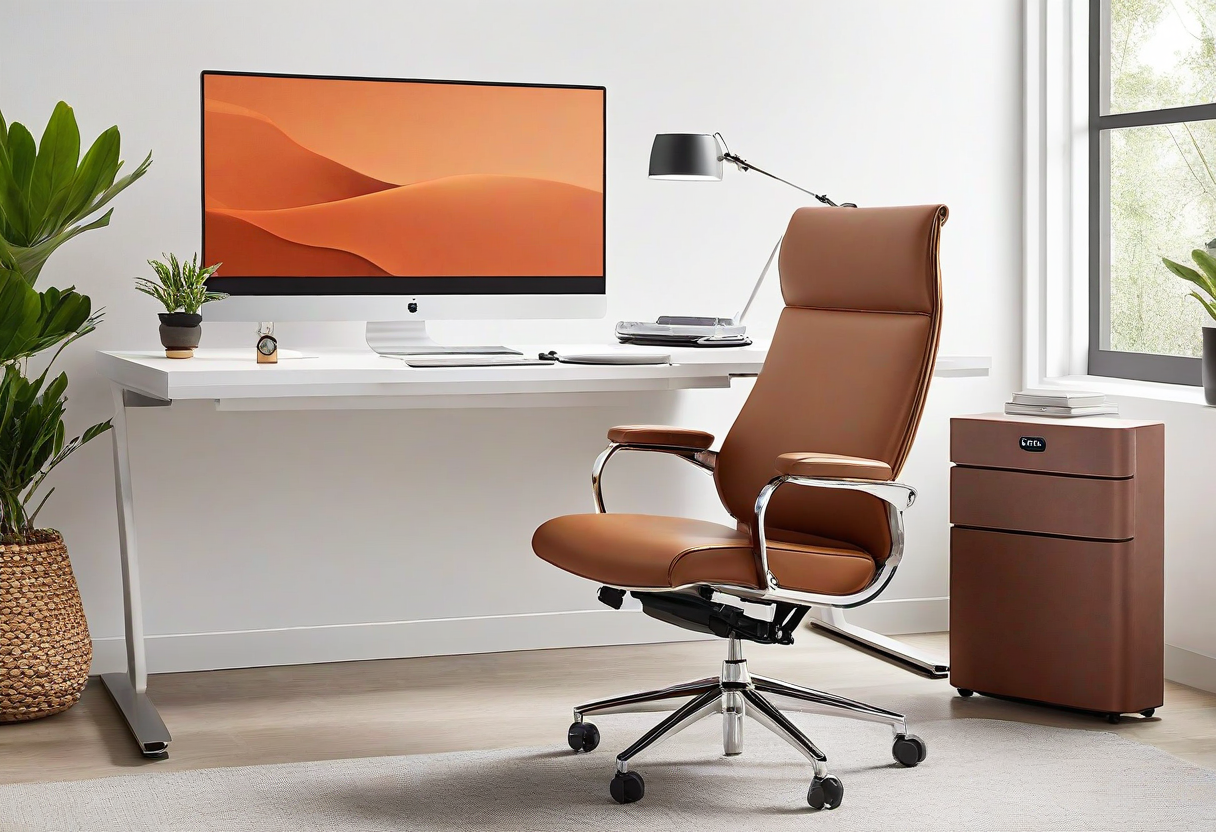
If you have allergies, your desk can be a source of symptoms. Dust, mold spores, and pet dander accumulate on desk surfaces, in fabric chair upholstery, and in cable bundles. Here is how to create a hypoallergenic workspace.
Desk Surface. Choose a smooth, non-porous desk surface like glass, laminate, or sealed wood. Avoid unfinished wood or porous materials that trap dust. Wipe your desk surface daily with a damp microfiber cloth.
Chair Material. Leather or vinyl chair upholstery is better for allergies than fabric or mesh. Fabric traps dust and dander. Leather wipes clean. If you already have a fabric chair, vacuum it weekly with a HEPA filter vacuum.
Air Purifier. A small HEPA air purifier on or near your desk removes airborne allergens. Look for one rated for the room size with a clean air delivery rate appropriate for your space. Run it during work hours.
Desk Plants to Avoid. Avoid plants with pollen or mold-prone soil. Succulents and snake plants are low-allergen options. Keep the soil surface covered with decorative pebbles to prevent mold spores from rising.
Explore more desk setups: Scandinavian Study